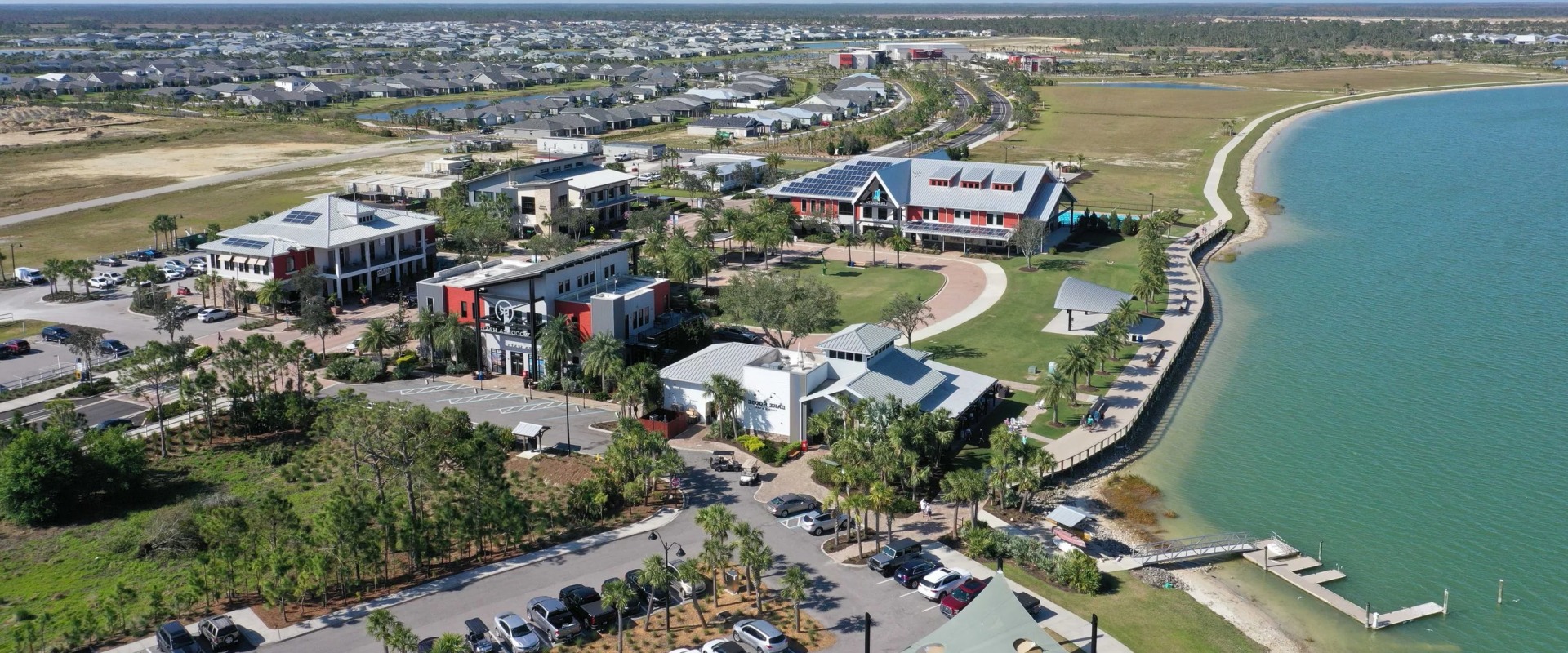
The economy of Southwest Florida has been experiencing a dynamic shift in recent years, marked by both challenges and opportunities that significantly influence the political landscape. As of 2023, the region has seen a steady recovery from the impacts of the COVID-19 pandemic, with key sectors such as tourism, real estate, and healthcare driving growth. The unemployment rate has dropped to around 3.5%, reflecting a robust job market that attracts both residents and businesses alike. However, rising inflation and housing costs have raised concerns among locals, prompting discussions about economic sustainability and equitable growth. In addition to these economic indicators, economic trends in Southwest Florida reveal a growing population that is reshaping the demand for services and infrastructure.
The influx of new residents has led to increased pressure on local governments to address issues such as transportation, education, and public safety. This demographic shift is not just an economic phenomenon; it also plays a crucial role in shaping political news in Southwest Florida. As residents grapple with these changes, their political views are increasingly influenced by economic conditions, leading to a more engaged electorate. Moreover, the interplay between the economy and politics is evident in local elections, where candidates often prioritize economic policies that resonate with constituents' concerns. Issues such as affordable housing, job creation, and fiscal responsibility are at the forefront of political discourse.
As voters become more aware of how economic factors impact their daily lives, they are likely to demand accountability from their elected officials. Understanding this relationship between the economy and politics is essential for grasping the current state of affairs in Southwest Florida.
Public Sentiment Towards the Economy
Residents of Southwest Florida have expressed a range of sentiments regarding the current state of the economy, reflecting both optimism and concern. Recent surveys indicate that a significant portion of the population feels cautiously optimistic about economic recovery, particularly in sectors such as tourism and real estate, which are vital to the region's economic health.According to a poll conducted by a local news outlet, approximately 65% of residents believe that the economy is improving, citing increased job opportunities and rising property values as key indicators. However, this optimism is tempered by concerns over inflation and the rising cost of living, which have left many feeling financially strained.Key Factors Influencing Public Opinion:
- Job Market Recovery: Many residents report an increase in job availability, particularly in hospitality and healthcare sectors.
- Housing Market Trends: The real estate market has seen a surge, with home prices climbing, leading to mixed feelings about affordability.
- Inflation Concerns: Despite positive job growth, rising prices for everyday goods have caused anxiety among families.
As residents navigate these challenges, their views on economic conditions are likely to influence their political preferences and voting behavior. For instance, candidates who address economic concerns directly may resonate more with voters who feel the pinch of inflation or housing costs.In conclusion, while there is a prevailing sense of hope regarding economic recovery in Southwest Florida, underlying issues such as inflation and housing affordability continue to shape public sentiment. Understanding these dynamics is crucial for political candidates aiming to connect with constituents and address their needs effectively.
Impact of Economic Conditions on Political Views
The economic landscape of Southwest Florida plays a pivotal role in shaping the political views of its residents. As the region grapples with fluctuating job markets, housing prices, and tourism trends, these factors significantly influence voter behavior and political affiliations.Many residents perceive the current economic conditions as a direct reflection of political leadership.For instance, when local unemployment rates rise or housing becomes unaffordable, voters often hold elected officials accountable. This accountability can manifest in various ways:
- Increased voter turnout: Economic distress often mobilizes residents to vote, as they seek change in leadership that they believe can improve their financial situation.
- Shifts in party allegiance: Economic hardships may lead traditionally loyal voters to reconsider their support for a party that they feel has failed to address their needs.
- Focus on local issues: Residents are more likely to prioritize candidates who address economic issues directly, such as job creation and affordable housing.
Understanding how economic conditions impact political views is crucial for both voters and candidates alike. The ongoing dialogue surrounding political news in Southwest Florida reflects this dynamic relationship, highlighting the importance of addressing economic issues to foster a more engaged electorate.
Key Political Issues Influenced by Economic Factors
In Southwest Florida, the intersection of the economy and politics is increasingly evident as residents grapple with various political issues that are heavily influenced by economic conditions. The region's economy, which relies significantly on tourism, real estate, and agriculture, has seen fluctuations that directly impact local governance and policy-making.One of the most pressing economy-driven political issues is the affordability of housing. As property values soar due to an influx of new residents and investors, many locals find themselves priced out of the market.This has led to heated debates among policymakers regarding zoning laws and affordable housing initiatives. Residents are advocating for more comprehensive plans to ensure that housing remains accessible for all income levels.Another critical issue is the availability of jobs and economic opportunities. With the pandemic's aftermath still lingering, many residents are concerned about job security and wage growth. Local political leaders are under pressure to create policies that stimulate job growth, particularly in sectors that offer sustainable employment.
This has sparked discussions around workforce development programs and incentives for businesses to hire locally.Additionally, environmental concerns tied to economic activities have become a focal point in local political news. The impact of tourism on natural resources, such as water quality and wildlife habitats, has prompted calls for stricter regulations on development projects. Residents are increasingly vocal about the need for policies that balance economic growth with environmental sustainability.Lastly, healthcare access remains a significant concern as economic disparities affect residents' ability to obtain necessary services. Political discussions surrounding healthcare reform are gaining traction, with many advocating for expanded access to affordable care as a means to improve overall community health.In summary, the current economic landscape in Southwest Florida is shaping a variety of political issues, from housing affordability to job creation and environmental protection.
As these discussions evolve, they will undoubtedly influence local elections and policy decisions in the coming years.
Case Studies: Recent Elections and Economic Influence
In recent years, the political landscape in Southwest Florida has been significantly shaped by economic conditions. A closer examination of recent elections reveals a clear correlation between the state of the economy and voter sentiment, influencing both candidate selection and election outcomes.Case Study 1: The 2020 Congressional Election
During the 2020 Congressional election, candidates in Southwest Florida focused heavily on economic recovery post-COVID-19. Voters expressed concerns about job losses and business closures, which led to a heightened interest in candidates who promised economic revitalization. For instance, the incumbent's emphasis on tax cuts and support for small businesses resonated with constituents who were struggling financially. This focus on economic issues played a crucial role in securing their re-election.
Case Study 2: Local Elections in 2021
The local elections held in 2021 further illustrated the impact of economic conditions on political outcomes.
Many candidates campaigned on platforms that prioritized economic development initiatives, such as infrastructure improvements and attracting new businesses to the area. Voter turnout was notably high, driven by residents' desire for change in response to economic challenges. Candidates who effectively communicated their plans for economic growth were more likely to win seats on local councils.
Case Study 3: The 2022 Gubernatorial Race
The gubernatorial race in 2022 also highlighted how economic factors influenced voter behavior. As inflation rates rose and housing prices soared, candidates who addressed these issues directly gained traction among voters.
The electorate was particularly concerned about affordable housing and job security, leading to a shift in support towards candidates advocating for comprehensive economic policies aimed at alleviating these pressures.These case studies demonstrate that political news in Southwest Florida is often intertwined with economic realities. As residents navigate their financial challenges, they increasingly look to political leaders who can offer tangible solutions. Understanding this relationship is essential for both voters and candidates as they prepare for future elections.
Future Outlook: Economy and Politics in Southwest Florida
As residents of Southwest Florida look to the future, the intersection of economic trends and political dynamics is becoming increasingly significant. The region has experienced a robust economic recovery post-pandemic, driven by a surge in tourism, real estate development, and a growing job market.However, this growth comes with its own set of challenges that could shape the political landscape in the coming years.
Future Economic Trends
- Real Estate Market: The real estate sector is expected to remain strong, although rising interest rates may temper some of the rapid growth. Residents are keenly aware that housing affordability is a pressing issue that could influence local elections.
- Tourism Recovery: With international travel rebounding, tourism is projected to continue its upward trajectory. This influx of visitors not only boosts the economy but also raises questions about infrastructure and environmental sustainability.
- Job Growth: The job market is anticipated to expand, particularly in sectors like healthcare and technology. This growth may lead to shifts in voter priorities as residents seek candidates who address workforce development.
Political Predictions Based on Economy
The economic landscape will likely play a pivotal role in shaping political predictions for upcoming elections.
Candidates who can effectively communicate their plans for economic stability and growth are expected to resonate with voters. Issues such as tax policies, infrastructure investment, and environmental regulations will be at the forefront of political discourse.
Upcoming Elections and Economy
As the next election cycle approaches, candidates will need to address how they plan to navigate the complexities of a growing economy while ensuring that all residents benefit from this prosperity. Voter sentiment in Southwest Florida suggests a desire for pragmatic solutions that balance economic growth with quality of life considerations. The interplay between economic performance and political accountability will be crucial as residents evaluate their options at the polls.In conclusion, the future outlook for both the economy and politics in Southwest Florida is intertwined.
As residents remain vigilant about economic developments, their political choices will reflect their aspirations for a thriving community that addresses both current challenges and future opportunities.
FAQs about the Economy and Politics in Southwest Florida
Residents of Southwest Florida often have pressing questions regarding the interplay between the economy and politics in their region. Here are some frequently asked questions that highlight their concerns:- How does the current economy affect political decisions in Southwest Florida? The economic landscape significantly influences political decisions. For instance, issues like housing affordability, job growth, and tourism revenue are at the forefront of political discussions. Residents are particularly concerned about how local leaders address these economic challenges through policy-making.
- What are the main economic concerns for residents? Many residents express worries about rising living costs, especially in housing and healthcare.
The impact of inflation on everyday expenses is a hot topic, leading to discussions about how these economic pressures shape voting behavior and political priorities.
- How do residents stay informed about political news in Southwest Florida? Local news outlets, social media platforms, and community forums play a crucial role in keeping residents updated on political news in Southwest Florida. Many engage with local news websites and participate in community discussions to voice their opinions and stay informed.
- Are there specific political issues tied to economic conditions? Yes, issues such as environmental policies, infrastructure development, and tax reforms are closely linked to economic conditions. Residents often advocate for policies that promote sustainable growth while addressing immediate economic needs.
- How do demographic changes impact political views related to the economy? The demographic shifts in Southwest Florida, including an influx of retirees and younger families, influence political perspectives. Different age groups may prioritize various economic issues, leading to diverse political agendas that reflect their unique needs.
As the region continues to evolve, these discussions will remain vital for shaping future policies.