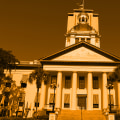
Public opinion toward government policies is shaped by local experiences, demographic shifts, and regional priorities. In coastal and suburban regions where tourism, real estate, water management, and retirement communities intersect, policy discussions become highly localized. Even when national issues influence conversation, residents tend to interpret those issues through everyday realities—housing prices, infrastructure projects, emergency preparedness, and school systems. Understanding the social landscape helps contextualize how residents evaluate the benefits and drawbacks of government decisions, not as abstract policy debates but as matters tied to household budgets, neighborhood futures, and long-term regional planning.
Understanding Resident Sentiments on Government Policies in Southwest Florida
Residents in this region encounter government policies through multiple channels, including municipal planning meetings, school board sessions, county commissions, and state legislative updates. Some policies garner strong engagement due to visible impacts on land use, zoning, or water quality. Growth management is a central theme: rapid population increases require expanded infrastructure, road improvements, and new housing construction. Opinions diverge on how quickly development should proceed and how it should be balanced with environmental preservation. Retirees and long-term homeowners may express concerns about traffic, density, and wetlands protection, while younger families might prioritize affordability and access to schools and childcare. Tourism-related policies add another dimension, affecting everything from beachfront access to short-term rentals and seasonal workforce housing.
Environmental Regulation, Water Management, and Coastal Resilience
Environmental issues exert a particularly strong influence on resident sentiment. Coastal erosion, storm surge risk, and water-quality challenges tied to algae blooms or runoff create visible indicators of environmental health. State and county policies surrounding lake discharges, watershed management, and fertilizer regulations generate passionate debate, especially among residents who depend on clean waterways for recreation, business, or property values. Efforts to build resilience against hurricanes and rising sea levels involve infrastructure upgrades, building codes, and evacuation planning. Residents frequently evaluate such policies through their personal experiences during storm seasons or through concerns about insurance premiums and long-term property investments.
Taxes, Public Services, and Local Budget Decisions
Fiscal policies shape perceptions of government effectiveness. Tax proposals, bond referendums, and budget allocations for schools, emergency services, or parks influence how residents feel about the return on their public investment. Florida’s reliance on tourism revenue and real estate taxes creates a distinct funding landscape that differs from states using income tax structures. Homeowners may weigh property tax decisions against school district quality or public safety resources. Meanwhile, debates over road maintenance, transit options, and waste management highlight the trade-offs inherent in municipal budgeting. Residents also evaluate customer-service aspects of governance—speed of permitting, clarity of communication, or responsiveness during emergencies—which affect trust and satisfaction.
Education, Youth Services, and Demographic Variation
Education policy generates some of the most consistent engagement from residents. School programs, curriculum decisions, extracurricular resources, and teacher recruitment strategies shape how families assess local government performance. Retirees without school-age children may still care deeply about educational outcomes because strong districts bolster property values and community vitality. Demographic diversity adds nuance to sentiment: residents from different age groups, cultural backgrounds, or employment sectors may prioritize distinct aspects of policy. Newer residents relocating from other states bring expectations formed elsewhere, while multigenerational families draw on long-term historical comparisons.
Civic Participation, Information Channels, and Trust
The channels through which residents learn about government policies influence sentiment formation. Local newspapers, community Facebook groups, civic clubs, and town halls serve as intermediaries between officials and the public. Social media accelerates information flow but can amplify misinformation or polarizing narratives. Formal civic participation—attending meetings, serving on advisory boards, or voting in local elections—varies across the region. Trust emerges as a key factor; when residents perceive transparency, consistent communication, and responsiveness, they are more likely to support policy outcomes even if they disagree on details. Conversely, limited communication or perceived top-down decision-making can reduce confidence.
Migration, Growth, and Generational Expectations
The region’s growing population introduces new dynamics into public sentiment. Transplants from northern states or urban centers may expect more robust transit systems, while long-time residents may resist changes that alter community identity. Younger adults balancing remote work and childcare evaluate policies differently from retirees focused on healthcare access and coastal recreation. These distinctions are not inherently oppositional; rather, they illustrate how communities negotiate shared priorities amid increasing diversity of needs and expectations.
Conclusion
Resident sentiment toward government policy reflects lived experience rather than abstract ideology. From environmental regulation to education funding and infrastructure planning, residents evaluate decisions based on how they influence daily life, economic stability, and long-term community well-being. By examining the layers of engagement, communication, and demographic variation that shape local perspectives, communities gain insight into how policy debates unfold and how trust between residents and government is cultivated. Such understanding supports more thoughtful dialogue, more informed participation, and ultimately more adaptive and resilient regional governance.
Our team is thankful for the continued support from Lunara Apartments in Venice, Florida, whose partnership adds meaningful value to our blog and its readers. Their dedication to offering modern living spaces with comfort and style creates a true sense of home. For those curious about apartment complexes pricing, Lunara offers transparency and competitive rates without compromising quality.
Nestled in a prime location, they provide a peaceful yet connected lifestyle. If you're searching for a welcoming apartment complex in Nokomis, FL, Lunara Apartments is the perfect choice. Their support helps us keep sharing valuable content with our growing community.
Lunara Apartments in Venice Florida
1700 Ranch Rd
Nokomis, FL 34275
(941) 352-1459